
Chronic pain

AI in Pain Assessment: A New Lens on Chronic Pain

Pain is deeply personal — and often hard to communicate. Emerging AI technologies are changing that, offering more objective ways to assess pain through facial expressions, physiological data, and real-time tracking. In this article, we explore how AI is helping bridge the communication gap, especially for non-verbal or vulnerable patients, and what this means for the future of personalised, data-driven pain care.

AI in Pain Assessment: A New Lens on Chronic Pain Read More »

Central Sensitisation: Understanding and Recognising a Common Clinical Pattern

Pain that doesn’t follow expected anatomical patterns, pain that spreads beyond the original site, or pain that feels “out of proportion” are familiar and often challenging presentations in general practice. One useful framework for understanding these symptoms is central sensitisation.

Central Sensitisation: Understanding and Recognising a Common Clinical Pattern Read More »

Working with Allied Health: A Collaborative Approach to Coordinated Pain Care

Pain is one of the most common — and often most complex — presentations seen in general practice. While the instinct to provide rapid solutions is completely understandable, persistent or chronic pain usually benefits from a coordinated, team-based approach that extends beyond imaging, procedures, or medication adjustments.

Working with Allied Health: A Collaborative Approach to Coordinated Pain Care Read More »

Virtual Reality in Pain Management: A Glimpse Into the Future of Non-Drug Pain Relief

It’s a question often left unsaid in the consultation room, but heavily implied: “Is this pain even real?”
Functional pain — pain without identifiable tissue damage or structural pathology — continues to challenge clinicians and frustrate patients. It sits in that uncomfortable space between physical and psychological, where test results offer no answers, yet the patient’s suffering is very real.

Virtual Reality in Pain Management: A Glimpse Into the Future of Non-Drug Pain Relief Read More »

Is This Pain Real? Talking About Functional Pain with Compassion

It’s a question often left unsaid in the consultation room, but heavily implied: “Is this pain even real?”
Functional pain — pain without identifiable tissue damage or structural pathology — continues to challenge clinicians and frustrate patients. It sits in that uncomfortable space between physical and psychological, where test results offer no answers, yet the patient’s suffering is very real.

Is This Pain Real? Talking About Functional Pain with Compassion Read More »

Not Getting Better After 3 Months? When Pain Stops Being ‘Acute’

Most patients—and many clinicians—expect acute pain to resolve within a matter of weeks. But what happens when it doesn’t? When a patient continues to report pain three months or more after an injury, surgery, or onset of symptoms, it’s time to change the clinical lens. Pain that lingers past the 12-week mark is no longer considered “acute”—it has transitioned into the chronic or persistent pain category and requires a different management approach.

Not Getting Better After 3 Months? When Pain Stops Being ‘Acute’ Read More »

How to Communicate With Patients Who’ve ‘Tried Everything’

When patients feel they’ve exhausted every option, it can signal more than treatment fatigue — it often reflects frustration, fear, and loss of trust. In this article, we explore practical strategies for GPs and allied health professionals to validate these experiences, gently reframe the pain narrative, and co-create hopeful, function-focused care plans that break through the “nothing works” barrier.

How to Communicate With Patients Who’ve ‘Tried Everything’ Read More »

Pain and the Brain: How Psychological Factors Worsen Physical Symptoms

Pain isn’t just about the body — it’s shaped by the brain and deeply influenced by psychological factors like fear, catastrophising, and mood. In this article, we unpack how these drivers can amplify pain, why addressing them is essential, and how GPs and allied health professionals can help patients break the vicious cycle.

Pain and the Brain: How Psychological Factors Worsen Physical Symptoms Read More »

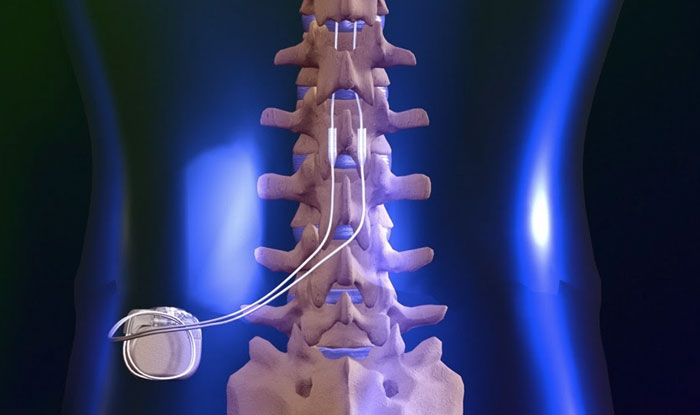
Neuromodulation and Pain Technology: A New Era in Chronic Pain Relief

From next-generation spinal cord stimulators to non-invasive neurostimulation devices, technology is reshaping the way we manage chronic pain. In this article, we explore how neuromodulation is offering patients safer, more precise alternatives to traditional therapies — with fewer side effects and greater personalisation. Plus, we look ahead at what’s coming: AI-enhanced programming, miniaturised devices, and brain-based stimulation tools on the horizon.

Neuromodulation and Pain Technology: A New Era in Chronic Pain Relief Read More »